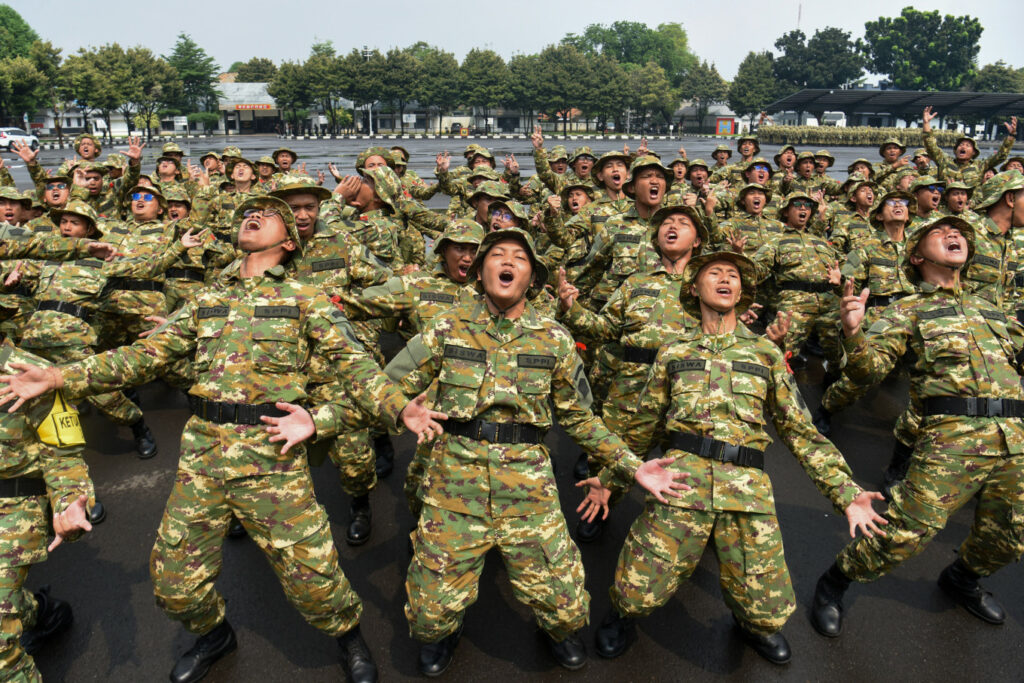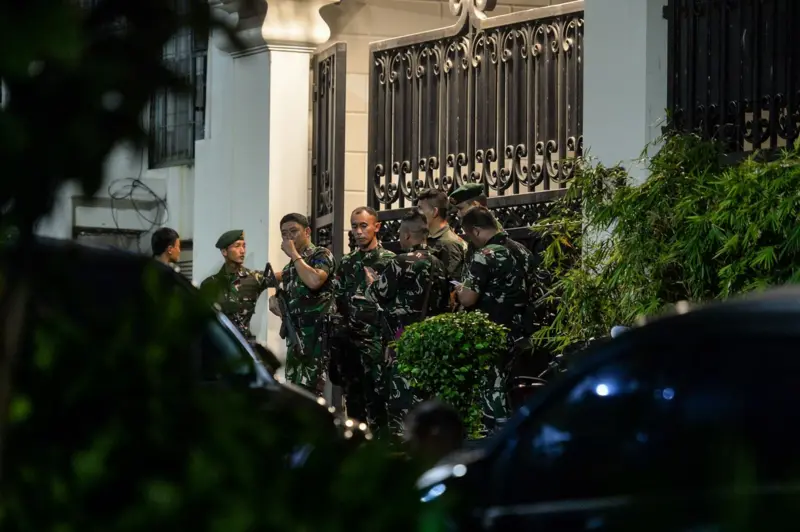
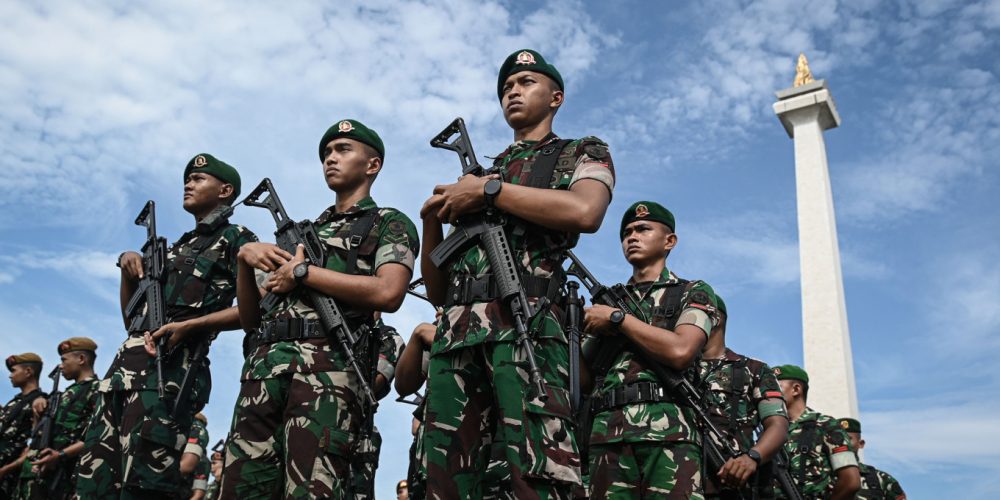
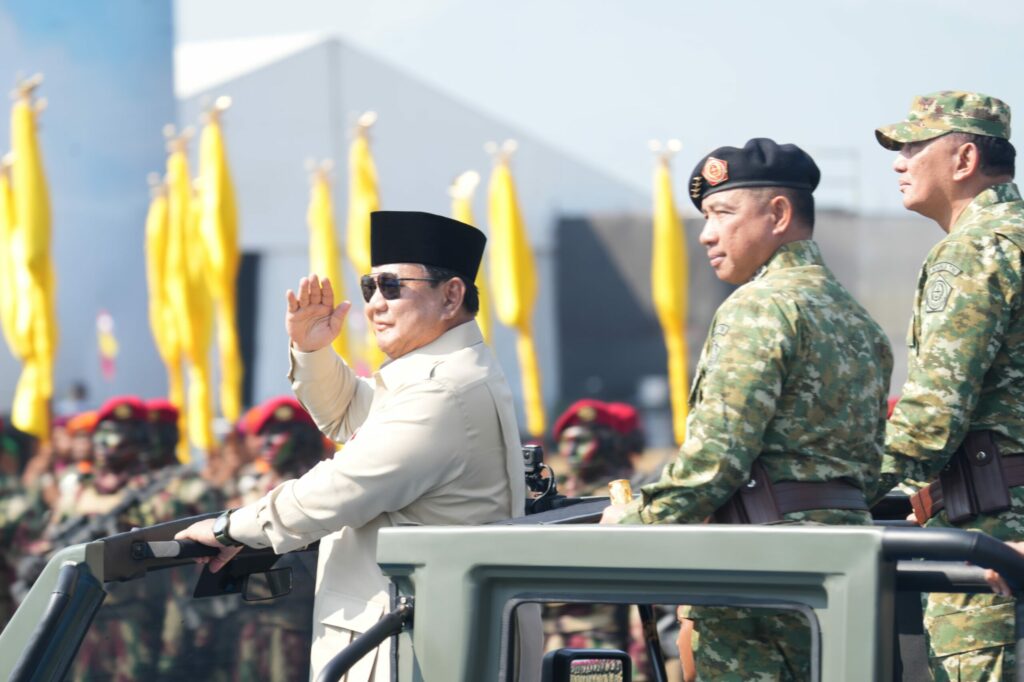
Prabowo Subianto’s first year administration has shown clear indicators of a progressive and systematic push towards remilitarization, from the TNI law revision, military personnels in civilian posts, to the semi-military bootcamp style retreat for Red and White Cabinet members.
Through the revision of TNI law in March 2025, also known as Law No. 3 of 2025, Indonesia’s state administrators have openly pushed for TNI’s multi-role by assigning soldiers to civilian posts under the guise of Military Operations Other Than War (MOOTW). In general, the new TNI law regulates the expansion of MOOTW, the expansion of civilian jobs for military personnels, and the extension of retirement age.
During the TNI law revision process, haphazard legislative procedures also took place. The Indonesian House of Representatives’ 2025 priority national legislation program (Prolegnas) did not initially include the TNI Law revision. In fact, the bill’s carry-over mechanisms as stated in Article 71A Law No. 15 of 2019 was not met.
Military Operations Other Than War (MOOTW) in Indonesia, known as Operasi Militer Selain Perang (OMSP), are non combat- missions conducted by the Indonesian National Armed Forces (TNI) to support civil authority, handle emergencies, and manage security threats. Based on the revisions introduced in Law No. 3 of 2025 (which amends Law No. 34 of 2004 regarding the Indonesian National Armed Forces/TNI), significant changes have been made to the legal framework governing MOOTW.
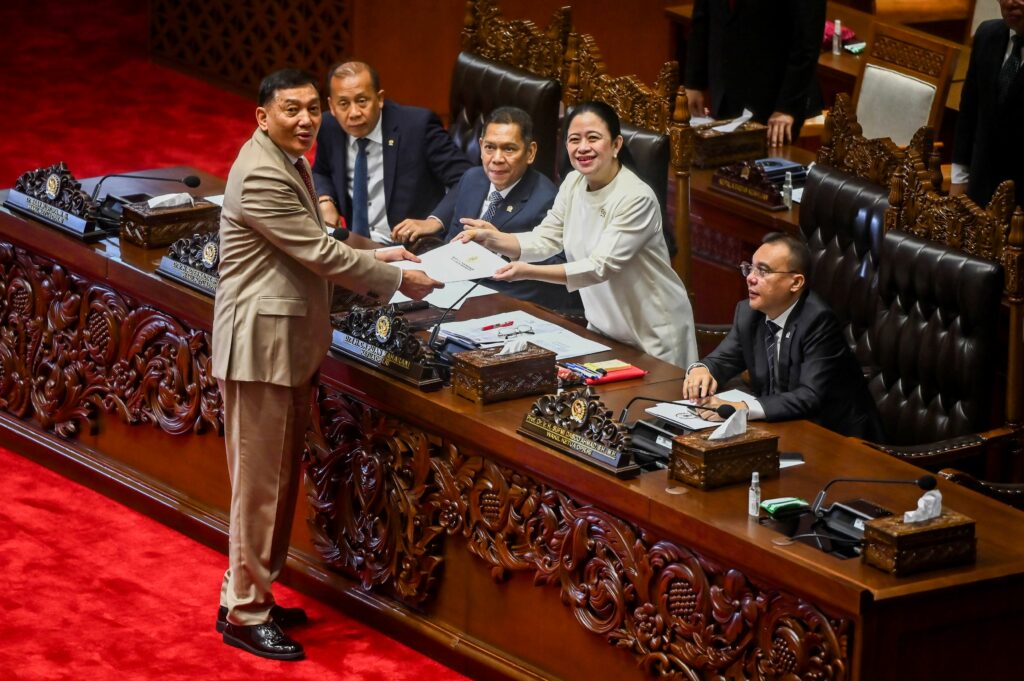
The bill must have entered the problem inventory list (DIM) discussion stage during the previous period in order to be carried over. The House of Representatives, the President, and/or the Regional Representative Council must agree to re-include the bill on the list of medium-term Prolegnas and/or annual priority Prolegnas following the bill’s presentation to the House. Furthermore, the TNI law revision is neither included in the 2025 Prolegnas or the carry-over bill in DPR Decree 64/DPR RI/I/2024-2025.
This twist is further supported by Presidential Letter (Surpres) Number R/12/Pres/02/2025, dated February 13, 2025, which appointed a government representative to discuss the TNI law revision with the House of Representatives. The House of Representatives decided to put the new TNI bill in the 2025 priority national legislation agenda during the plenary session on February 18, 2025, based on this Presidential Letter.
The government can only appoint representatives for the discussion process after being notified by the House of Representatives. Instead of making an initial request, the Presidential Letter made reference to the discussion. This circumstance shows the chaotic nature of the law making process and sets a precedent that goes against the values of accountability and transparency as well as due process of law in legislation.
In addition to that, the establishment of the Territorial Development Battalion also compromises the TNI’s professionalism. This additional task may conflict with the TNI’s main focus on developing military technologies and building soldiers’ capacity to carry out their main defensive responsibilities.
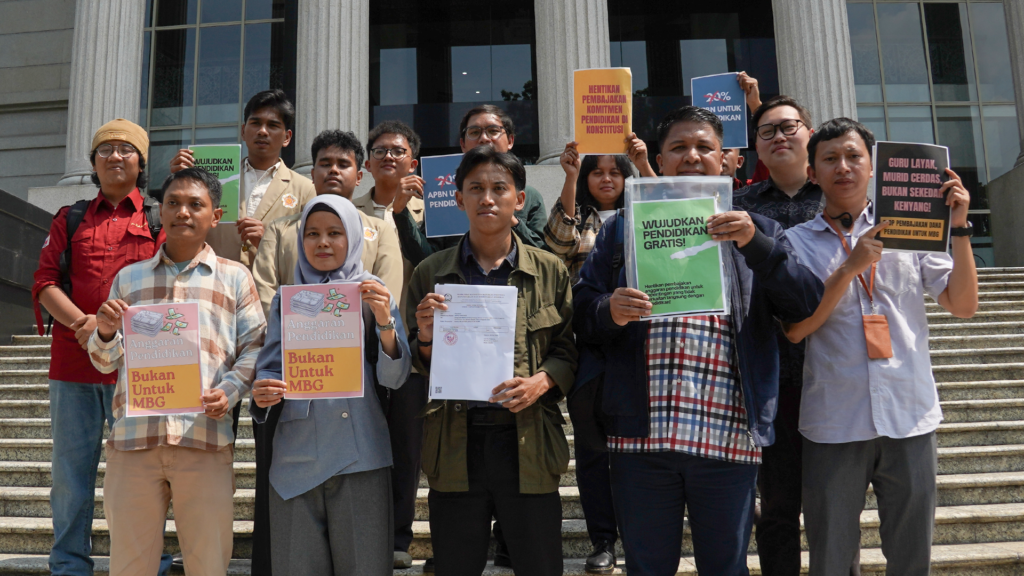
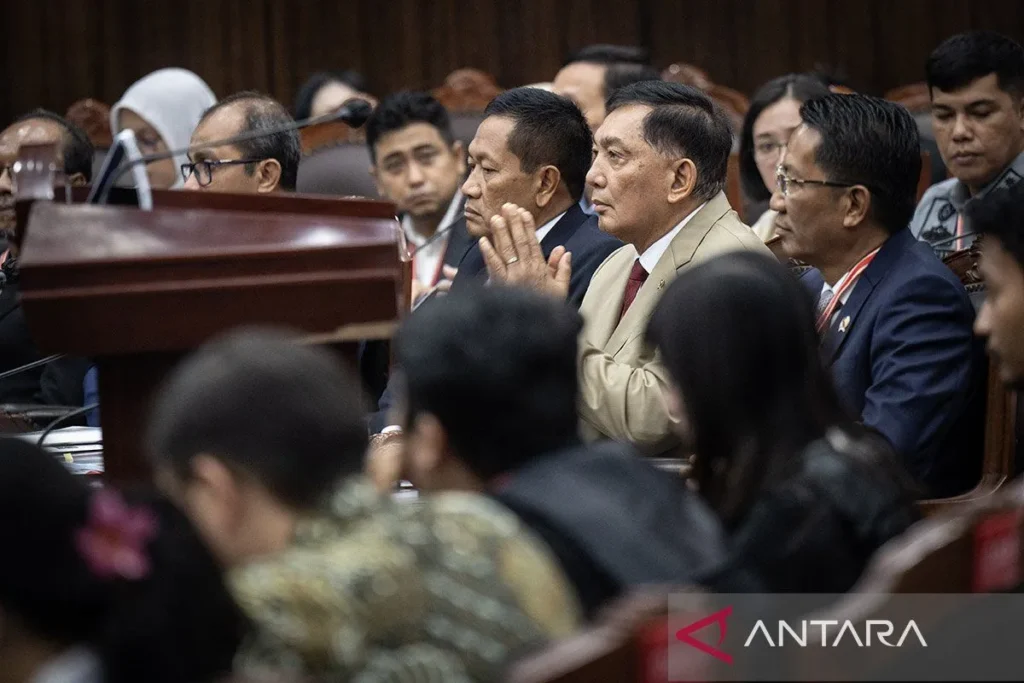
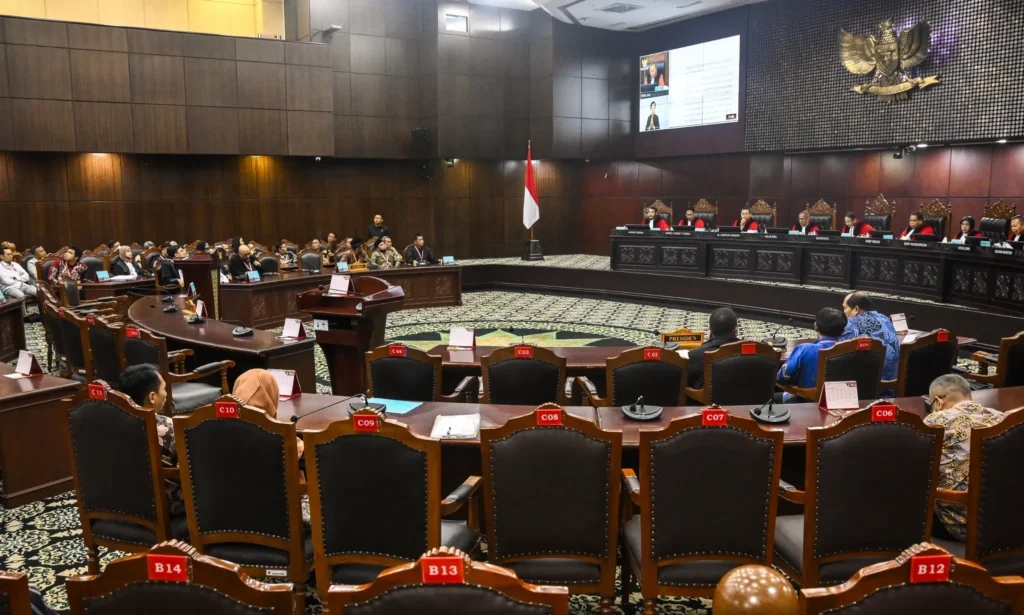
YLBHI and the Security Sector Reform Coalition filed a judicial review of Law No. 3 of 2025 with the Constitutional Court in May 2025 and October 2025 in an attempt to thwart the legislative and executive collaboration that promotes remilitarization.
The Constitutional Court denied the formal review in September 2025, but four judges—Saldi Isra, Enny Nurbaningsih, Arsul Sani, and Suhartoyo—issued dissenting views. According to them, the Constitutional Court should approve part of the formal review request made by the Security Sector Reform Coalition due to formal defects in the legislative process. In fact, the lawmakers should be given a maximum of two years in order to gain meaningful participation in the law making process.
At the Special Plenary Session of the Constitutional Court’s 2025 Annual Report on Wednesday, January 7, 2026, Chief Justice Suhartoyo of the Constitutional Court stated that Law No. 3 of 2025 was the most challenged law at the Constitutional Court throughout 2025, totaling 20 requests. This phenomenon reflects the poor quality of law making in Indonesia. There will never be as many requests for judicial review of laws that the people have supported.
On the bright side, this situation shows that civil society is still striving to end the ongoing injustice carried out by the state administrators. The issue is that, through its rulings, particularly those that are conditional or contingent, this trend of initiating judicial reviews is gradually shifting the Constitutional Court’s position from negative legislator to positive legislator.
Despite the progressive undertaking of this Constitutional Court’s position, state administrators, particularly the legislative and executive branches, must improve the law making processes that prioritize legitimacy from the people.
The widespread remilitarization initiatives in Indonesia demonstrate how unwilling state administrators are to carry out the people’s demands and 1998 Reform mandates. Under the Prabowo Subianto administration, the military’s growing involvement in infrastructure and food security initiatives will continue to strengthen the remilitarization process.
Maintaining the military’s national defense role upholds both the dignity of the army and civilian supremacy. The progress of democracy will always be undermined by military policy that disregards public interest. State administrators should be held accountable for fostering meaningful public participation, especially when it comes to defending civic space and fighting remilitarization.
Remilitarization and the surge in judicial review requests will have long-term impacts for civilian supremacy, spark social unrest, and demonstrate that the state administrators have disregarded the will of the people.